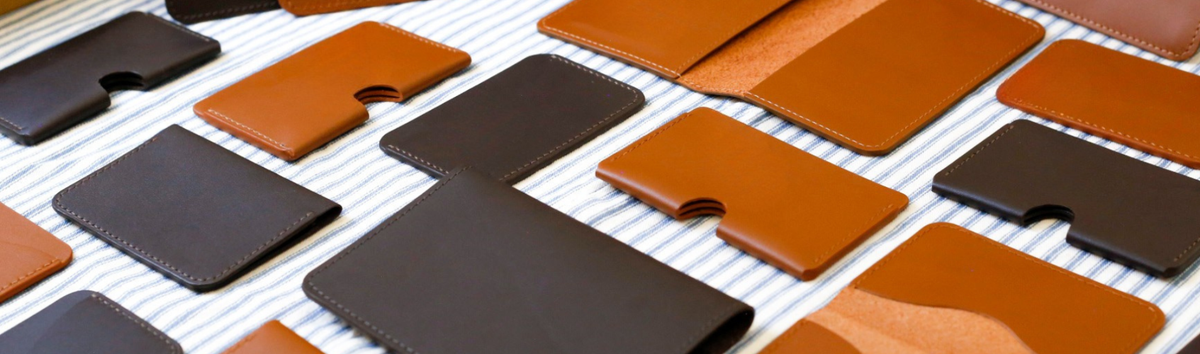
Leather acts much like living skin. It breathes, reacts to its environment, and eventually reveals the story of how it has been treated. If you invest time into a skincare routine to maintain a fresh, youthful appearance, your leather bags deserve the exact same level of attention. Many owners wait until a stain is visible or mold begins to take hold before seeking a solution, but this reactive approach often leads to permanent damage. A structured maintenance routine is the most effective way to ensure your leather remains supple, resilient, and beautiful for years.
The Foundation: Your At-Home Leather Care Routine
Think of leather care as a three-stage ritual: Cleansing to remove impurities, Conditioning to replenish essential oils, and Shielding to protect the surface.
Stage 1: Cleansing
Alcohol-based products strip the natural moisture from leather, causing it to become dry and prone to cracking. Instead, follow these steps to keep the surface pristine:
-
Surface Dusting: Use a soft microfiber cloth or a fine-bristled brush to gently remove dust and sweat after every use.
-
The Damp Wipe: Dip a soft, white cloth in warm water and wring it out until barely damp. Wipe the area gently without soaking the material.
-
Deep Cleansing: If needed, apply a pH-neutral leather cleaner formulated specifically for genuine leather to dissolve stubborn residue without removing natural oils.
Stage 2: Conditioning
Once the surface is clean, the leather requires hydration. A high-quality conditioner or balm restores internal moisture and keeps the fibers flexible. Apply a small amount of product onto a soft cloth and massage it into the leather using gentle circular motions. Allow the item to rest in a cool, well-ventilated space so the conditioner can absorb completely.
Stage 3: Shielding
A final layer of protection guards against daily environmental wear. Use a soft cloth to apply a thin coat of leather wax, creating a light barrier across the surface. Buff the area with a clean cloth until the wax distributes evenly, revealing a natural, healthy shine. Wipe away any excess product to prevent a sticky finish that might attract unwanted dust.

(Source: TMA - Luxury care & repair)
Tackling Specific Stains
Accidents happen, even with the most careful use. Here is how to handle common concerns:
-
Ink Stains: Gently dab the area with a cotton swab dipped in rubbing alcohol. Always test an inconspicuous spot first. Once the ink lifts, apply conditioner immediately to restore moisture.
-
Water Spills: Dab the excess moisture away with a dry cloth and let the item air dry naturally. Never force-dry with heat.
-
Oil & Grease: Sprinkle cornstarch or baking soda on the spot and leave it overnight to draw out the oil. Brush off the powder gently the next morning.
-
Mud & Dirt: Wipe away excess wet mud carefully. For dried dirt, use a soft-bristled brush to lift particles without grinding them into the pores.

(Source: Etsy)
Knowing When to Seek Professional Expertise
While home maintenance preserves the surface, certain conditions require the precision of a professional leather spa:
-
Deep Mold: If you see dark green or black spots, the mold may have penetrated deep into the fibers where surface cleaning is insufficient.
-
Structural Damage: Broken stitches, jammed zippers, or sagging shapes demand a master technician who can repair or replace components while maintaining the original structure.
-
Significant Color Loss: Professional restoration can color-match and smooth out severe scratches or fading that DIY methods cannot fix.
Common Mistakes That Ruin Leather
Avoid these three errors to prevent irreparable damage to your pieces:
-
Extreme Heat: Never use a hair dryer or direct sunlight to dry wet leather. Heat forces the material to shrink, stiffen, and crack.
-
Harsh Household Soaps: Dish soap and heavy detergents are too alkaline. They wash away protective oils and leave the leather rough and prone to peeling.
-
Improper Storage: Storing leather in non-breathable plastic traps moisture, creating an ideal environment for mold. Always use a dust bag in a cool, dark place.
Understanding Your Leather Type
Every material requires a slightly different touch:
-
Full Grain: The highest grade. It develops a beautiful patina over time. Use only a light touch with gentle, non-solvent products.
-
Top Grain: Slightly thinner with a smooth finish. It requires conditioning once or twice a year to prevent cracking.
-
Genuine Leather: Common and durable. Clean only when necessary to avoid stripping the natural oils.
-
Suede: Extremely porous and velvet-like. Use a dedicated suede brush and avoid water whenever possible.
-
Patent Leather: High-shine and glossy. Use only specific conditioners that target the lacquer layer without damaging the finish.
Frequently Asked Questions
1. How do I safely remove odors?
Genuine leather is porous and absorbs surrounding scents easily. Place an open box of baking soda—contained in a breathable cloth pouch so no powder touches the leather—inside the bag for 48 hours. The soda will neutralize odors naturally.
2. How often should I clean my bags?
For frequently used items, a light wipe-down with a microfiber cloth after every use is ideal, with a full cleaning once a month. Items used sparingly need a professional check-up or deep clean every 6 to 12 months.
Routine care may seem like a chore, but it is the ultimate act of respect for your investment. By treating your leather with the same care you would your own skin, you ensure that your signature pieces remain not just accessories, but timeless companions.